We recently got behind the wheel of the updated Volkswagen Taigun for a long highway drive from Chandigarh to Katra, Jammu, and after spending serious time with the SUV, one thing became very clear: this facelift is less about dramatic changes and more about making the Taigun feel more premium and mature.
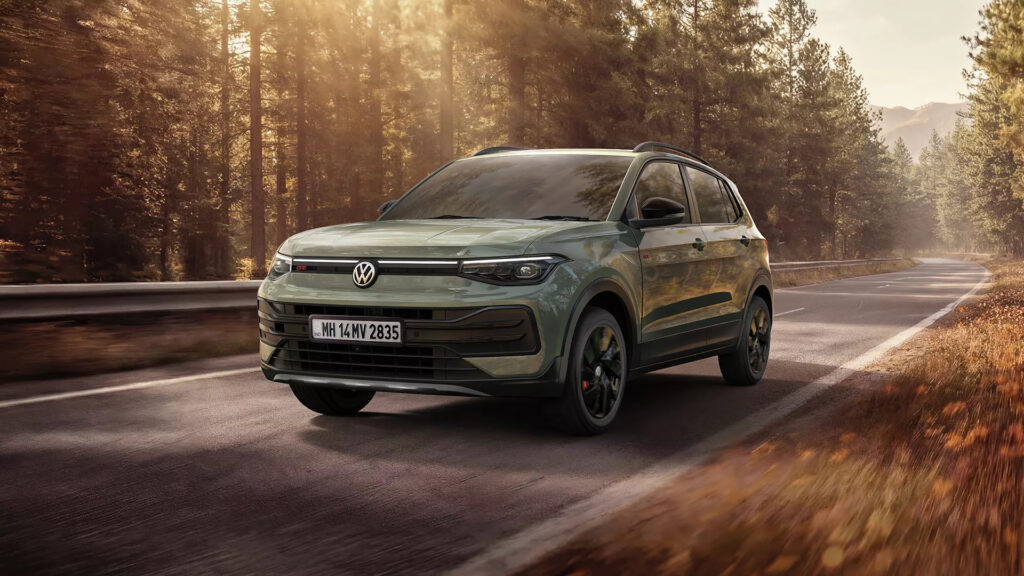
The Design Finally Feels More Premium
The overall shape remains familiar, but Volkswagen has added enough small changes to make the SUV look noticeably more upmarket.
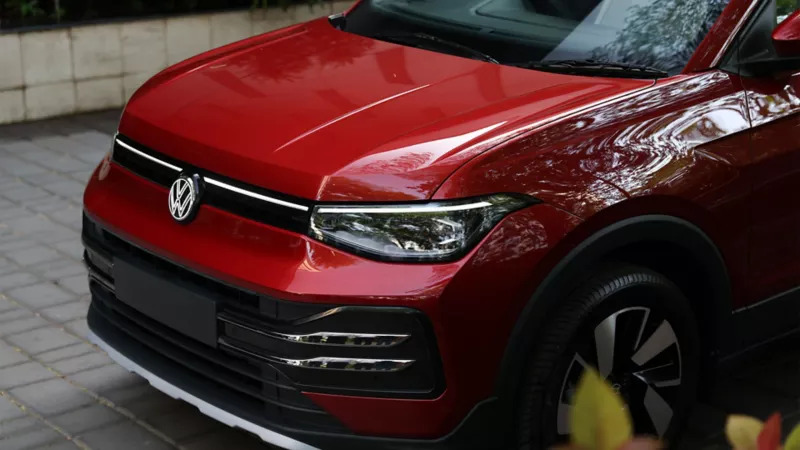
At the front, the biggest highlights are:
- New connected DRLs
- Illuminated Volkswagen logo
- Updated bumper styling
- New Tiguan-inspired design details
The GT Sport version especially looks much sharper thanks to:
- Blacked-out exterior elements
- New 19-inch alloy wheels
- Red brake calipers
- Black roof rails and mirrors
Honestly, the older Taigun always looked slightly too simple for its price. This facelift finally gives it the road presence and premium feel many buyers expected earlier.
Rear Design Gets Cleaner Too
The rear still looks familiar, but Volkswagen has redesigned almost everything here as well.
New elements include:
- Illuminated rear VW logo
- Updated LED light detailing
- Revised bumper styling
- Sharper diffuser-like treatment
It still looks clean and understated rather than flashy, which honestly suits Volkswagen’s personality perfectly.
The Cabin Gets Better, But Not Perfect
Inside, the two biggest upgrades are immediately obvious:
- Larger panoramic sunroof
- New 10.25-inch digital driver display
The updated driver display now supports turn-by-turn navigation integration, which genuinely became useful during our long highway drive.
Volkswagen has also improved the infotainment screen. The display now feels:
- Sharper
- Brighter
- More responsive
Even under harsh sunlight, visibility remained excellent.
The seats now get a ventilation function, and overall cabin quality still feels solid and properly German.
But Some Missed Opportunities Remain
At the same time, the facelift does feel slightly incomplete in some areas.
The touch-based AC controls and certain switchgear elements still could have been improved further. Some features that would have helped justify the price more strongly, especially in the top-end variants, are still missing.
Even simple additions like:
- Rear seat ventilation
- More standout comfort features
could have elevated the cabin experience significantly.
How Does It Drive?
We drove both:
- 1.0-litre version
- 1.5-litre GT Sport version
The updated automatic gearbox on the 1.0-litre version now feels more efficiency-focused than before. Volkswagen has replaced the older setup with a newer 8-speed torque converter automatic.
The gearbox still shows a slight delay in bumper-to-bumper traffic at low speeds, but once moving, downshifts feel quick and smooth.
The 1.5-litre engine remains the more exciting option.
It produces:
- 147 hp
- 250 Nm torque
and still feels strong, smooth, and effortless on highways.
Sport mode instantly sharpens the car’s character and makes overtakes feel much more aggressive.
Fuel Efficiency Looks Better
During our drive, the 1.0-litre automatic showed efficiency improving from around:
- 9.8 km/l to roughly 11 km/l after calmer driving conditions.
Meanwhile, the 1.5 GT returned around:
- 14 km/l during fairly normal driving without pushing the car aggressively.
Pricing
The updated Volkswagen Taigun range starts from around ₹10.99 lakh and goes up to roughly ₹19.3 lakh (ex-showroom) for the fully-loaded GT Sport version.
Also read: https://fly-wheel.com/volkswagen-reveals-the-first-ever-electric-gti-with-the-new-id-polo-gti/
Verdict
The 2026 Taigun facelift does not completely reinvent the SUV, but it definitely improves it in the right areas. It now looks more premium, feels more comfortable, and gets better technology, while still retaining the solid driving manners that made the Taigun popular in the first place. Some missed opportunities remain inside the cabin, but overall, this feels like a smarter and more mature version of Volkswagen’s compact SUV.