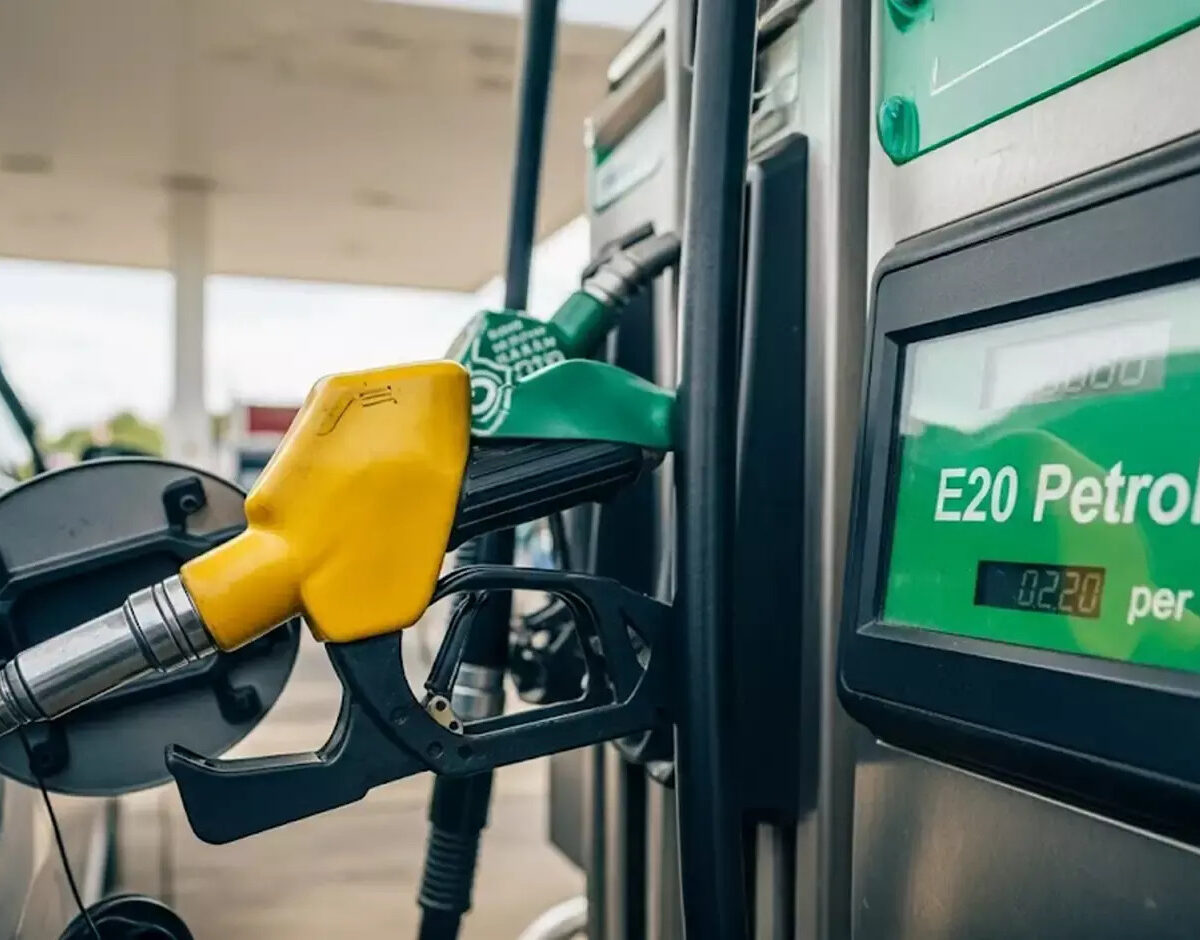
Indian automakers had privately flagged concerns over chloride and moisture contamination in E20 petrol, according to data and emails reviewed by Reuters.
The concerns reportedly involved Maruti Suzuki, Tata Motors and Mahindra, even as the industry publicly continued to support the government’s E20 rollout.
Fuel samples showed high chloride levels
The data reviewed by Reuters came from more than 250 fuel samples collected across 21 states and Union Territories over a year.
Testing reportedly found elevated chloride levels in samples from 18 states. Some of the highest readings included:
- Rajasthan: 6-570ppm
- Delhi/NCR: 1.4-420ppm
- Maharashtra: 10-357ppm
The government’s permissible limit is 3ppm (ppm=Chloride level).
High chloride levels can potentially cause corrosion of vehicle components. The same testing also found high moisture levels in some samples, including readings of up to 13,000ppm in Andhra Pradesh and 12,500ppm in Uttar Pradesh, against a limit of 3,000ppm.
Carmakers raise concerns over vehicle failures
A senior Maruti executive reportedly raised concerns about the chloride readings, while a Mahindra executive linked organic chloride to some recent vehicle failures. Mahindra later said the conclusions drawn from those emails were “completely baseless and incorrect”, stressing that the available data was limited and preliminary.
Government and oil companies reject widespread contamination
Oil marketing companies have rejected claims of widespread E20 contamination following testing across the country.
Petroleum Minister Hardeep Singh Puri said OMCs had begun rigorous testing at fuel stations and had found only four cases of contamination.
SIAM has said it plans to conduct a more comprehensive scientific study to determine the extent and possible causes of contamination.
Also read: https://fly-wheel.com/ferrari-cz26-revealed-as-a-one-off-sf90-stradale-based-supercar/
Final Take
The report does not establish that E20 fuel across India is contaminated. Instead, it highlights concerns raised by automakers based on a limited set of fuel samples.
The key question now is whether the reported contamination was isolated to certain fuel stations or represents a wider quality-control issue. A proper scientific study and broader testing will be needed before drawing firm conclusions.