

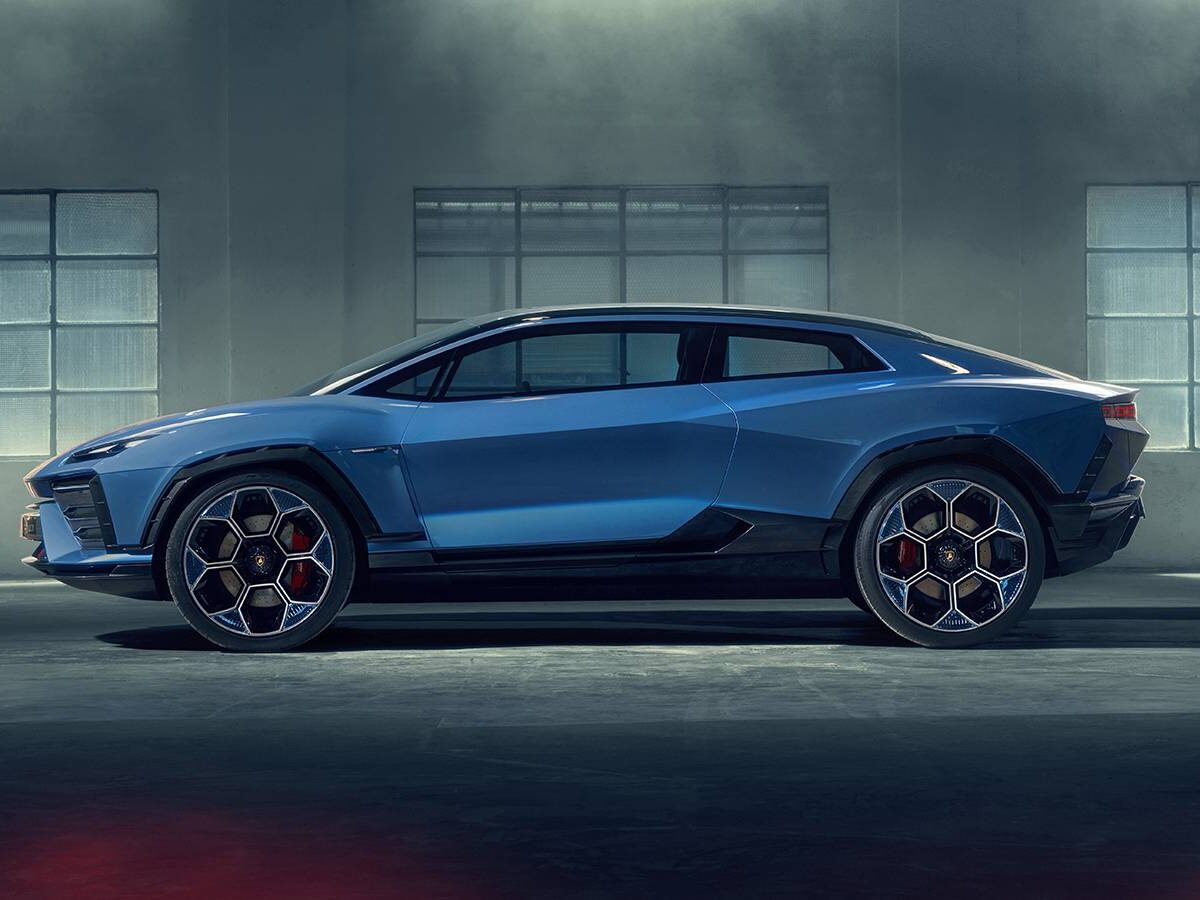
Lamborghini has hit the brakes on its electric future. The Italian supercar maker has confirmed that its first fully electric model will now arrive only after 2030, marking a major shift from its earlier electrification roadmap.
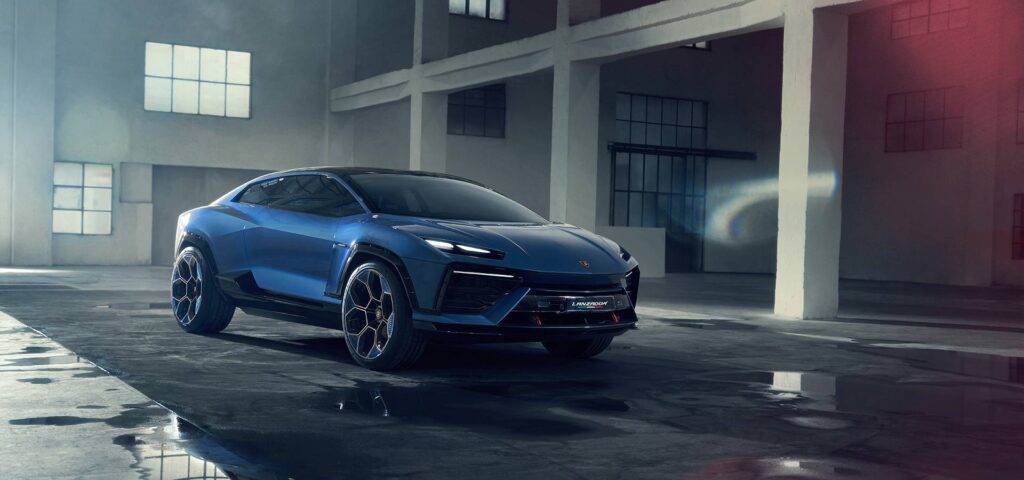
Instead, the brand will lean heavily on plug-in hybrids (PHEVs) for the rest of this decade, including its much-anticipated fourth model.
Lanzador: from EV to hybrid
The move directly impacts the Lanzador, the concept unveiled in 2023 as Lamborghini’s first all-electric car.
- Originally planned as a full EV
- Now reworked into a plug-in hybrid
- Expected to arrive around 2029
This makes it Lamborghini’s fourth model line, positioned as a high-riding grand tourer rather than a traditional supercar.
Why Lamborghini is stepping back from EVs
Lamborghini says customer interest in electric supercars is “close to zero.” Buyers in this segment still prioritise engine character, sound, and driving feel over electrification.
Emotional disconnect
According to the company, EVs struggle to deliver the “emotional connection” expected from a Lamborghini, especially the signature V10 and V12 engine experience.
High costs, low returns
Developing EVs for a low-volume luxury brand has been described internally as an “expensive hobby”, raising concerns about financial viability.
Market not ready
Executives believe the luxury performance EV market isn’t mature yet, especially compared to mass-market segments.
Hybrid-first strategy
For now, Lamborghini’s roadmap is clear:
- The entire lineup will go plug-in hybrid by 2030
- Current and upcoming models (like Revuelto and Urus) are already electrified in hybrid form
- Internal combustion engines are to stay as long as possible
This approach allows Lamborghini to meet emissions norms without compromising its core identity.
The bigger picture
Lamborghini’s decision reflects a major slowdown in EV adoption at the high end of the market. While brands like Ferrari continue pushing ahead with electric plans, Lamborghini is choosing a more cautious route.
The company isn’t rejecting EVs entirely; it’s delaying them until technology and customer expectations align with what a Lamborghini should feel like.


