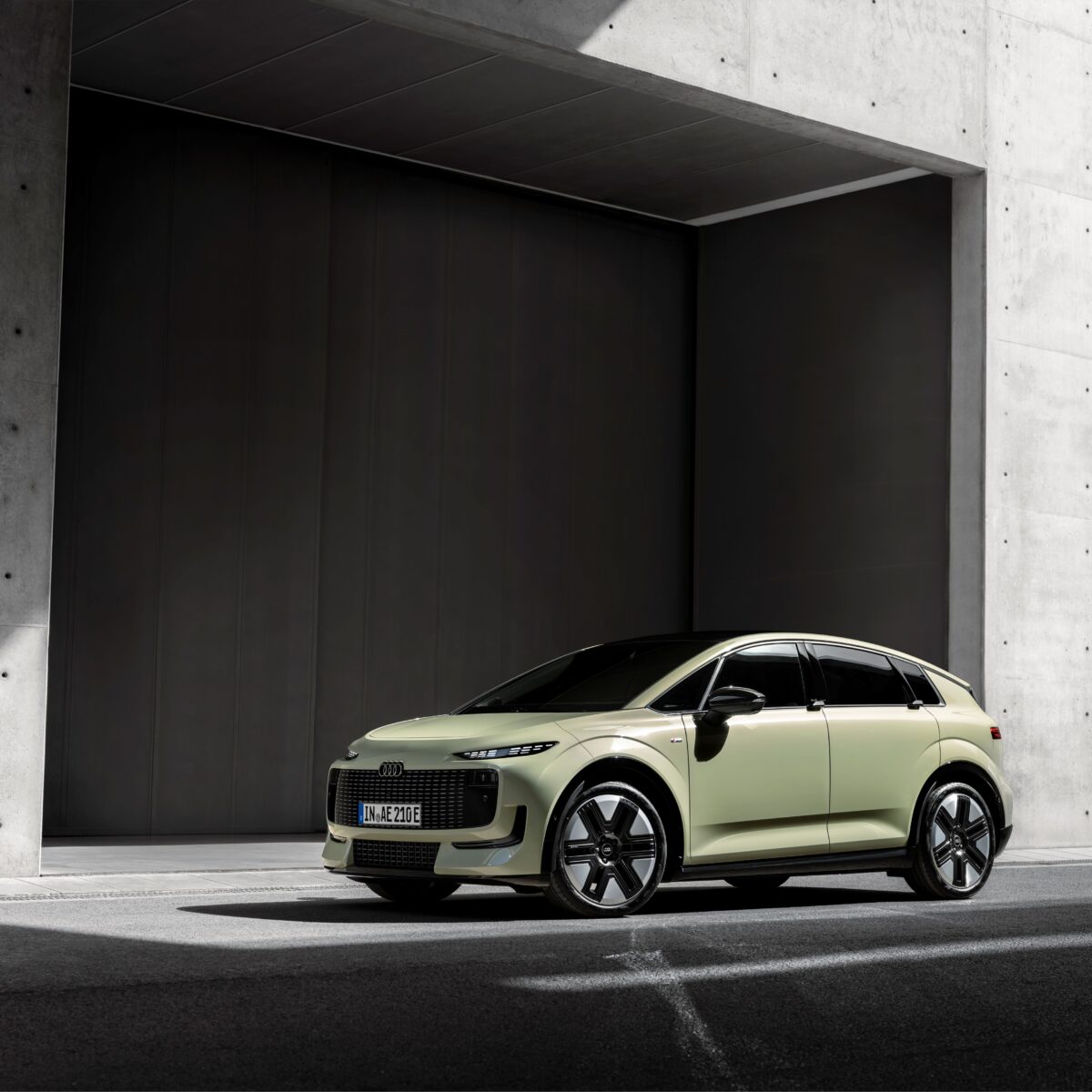
Audi has unveiled the A2 e-tron, a compact electric car that the company says is the most efficient Audi it has ever produced.
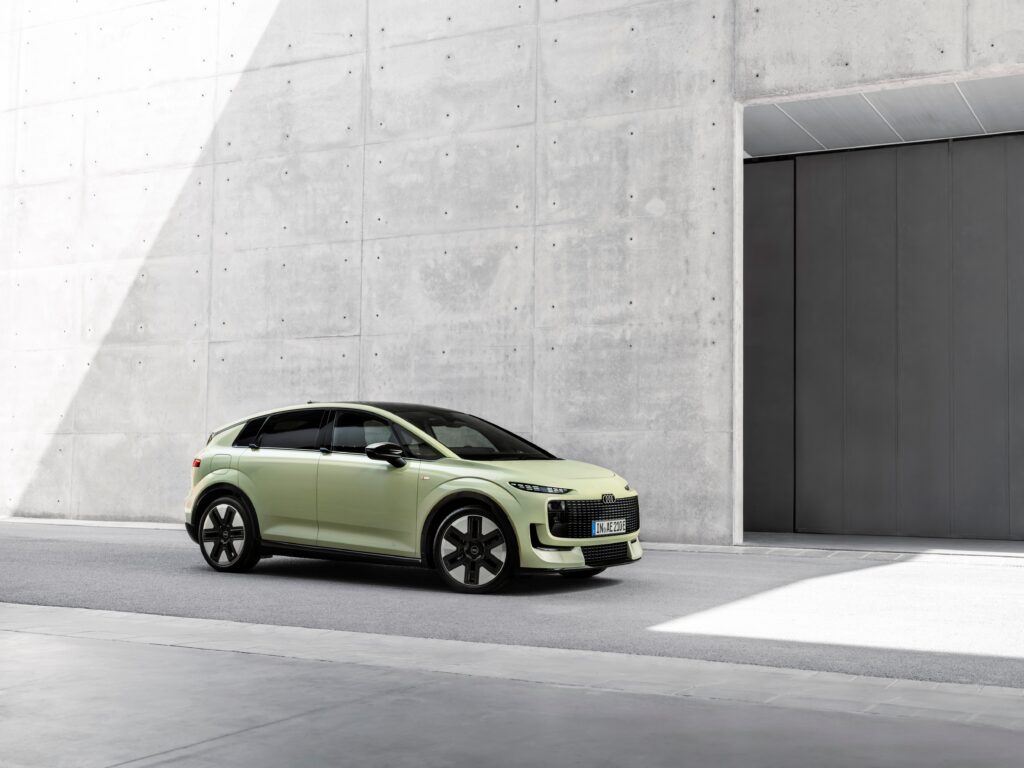
Rather than chasing increasingly large batteries and extreme power figures, the A2 e-tron focuses on getting more out of every kilowatt-hour. Audi claims energy consumption as low as 12.8 kWh/100 km, along with a maximum WLTP range of up to 645 km.
Designed to go further with less
Aerodynamics play a major role in the A2 e-tron’s efficiency.
The car gets a largely enclosed underbody, active cooling, redesigned wheel arch components, and specially developed aero wheels. The A2 e-tron will be available with:
- 52 kWh, 61 kWh and 84 kWh battery options
- 167hp to 321hp
- DC charging of up to 183 kW
- Up to 645 km of claimed WLTP range
The most powerful 321hp version can accelerate from 0-62 mph in 5.7 seconds.
Compact outside, practical inside
Audi has also focused on making the most of the car’s compact footprint. The A2 e-tron gets a 2.77-metre wheelbase, while its boot offers 396 litres of space, expanding to 1,336 litres with the rear seats folded.
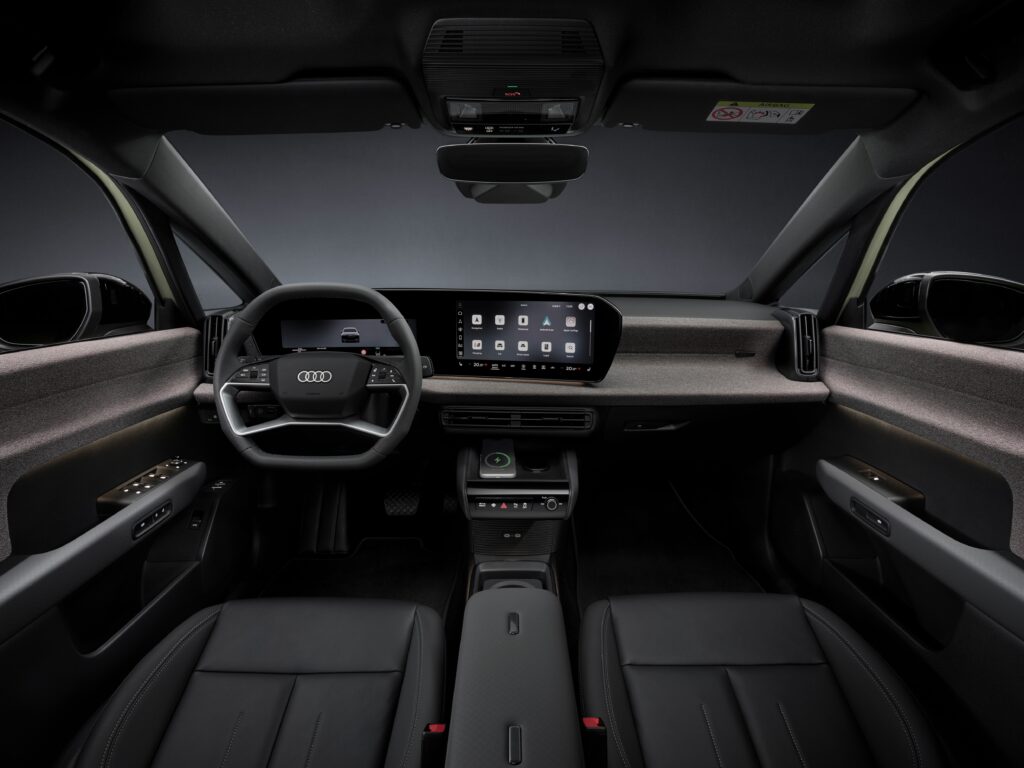
Inside, it features an 11.9-inch digital cockpit and 12.8-inch curved touchscreen as standard.
The car also introduces bidirectional charging, allowing it to power external devices through Vehicle-to-Load. In selected markets, Vehicle-to-Home functionality can even allow the car to act as an energy storage system.
Coming in 2027
Audi will build the A2 e-tron at its Ingolstadt plant in Germany. UK order books open in October 2026, with deliveries expected to begin in early 2027. Prices start from £32,200 (₹35,33,531).
Also read: https://fly-wheel.com/tamil-nadu-plans-motor-sports-city-with-ambitions-to-host-formula-1/
The Final Take
The A2 e-tron reflects an interesting shift in the EV race. For years, the focus has been on more range, more power, and bigger batteries. Audi’s new approach suggests that efficiency itself could become the next major battleground.
The question now is whether this focus on using less energy can deliver the same results in the real world.