Union Road Transport and Highways Minister Nitin Gadkari has announced that regulations permitting the use of E100 fuel have now been approved, creating a legal framework for automakers to introduce vehicles capable of running on high ethanol blends.

The announcement comes just weeks after the introduction of E85 fuel in Delhi and signals the government’s intention to push beyond the current E20 programme.
E100 Gets Regulatory Approval
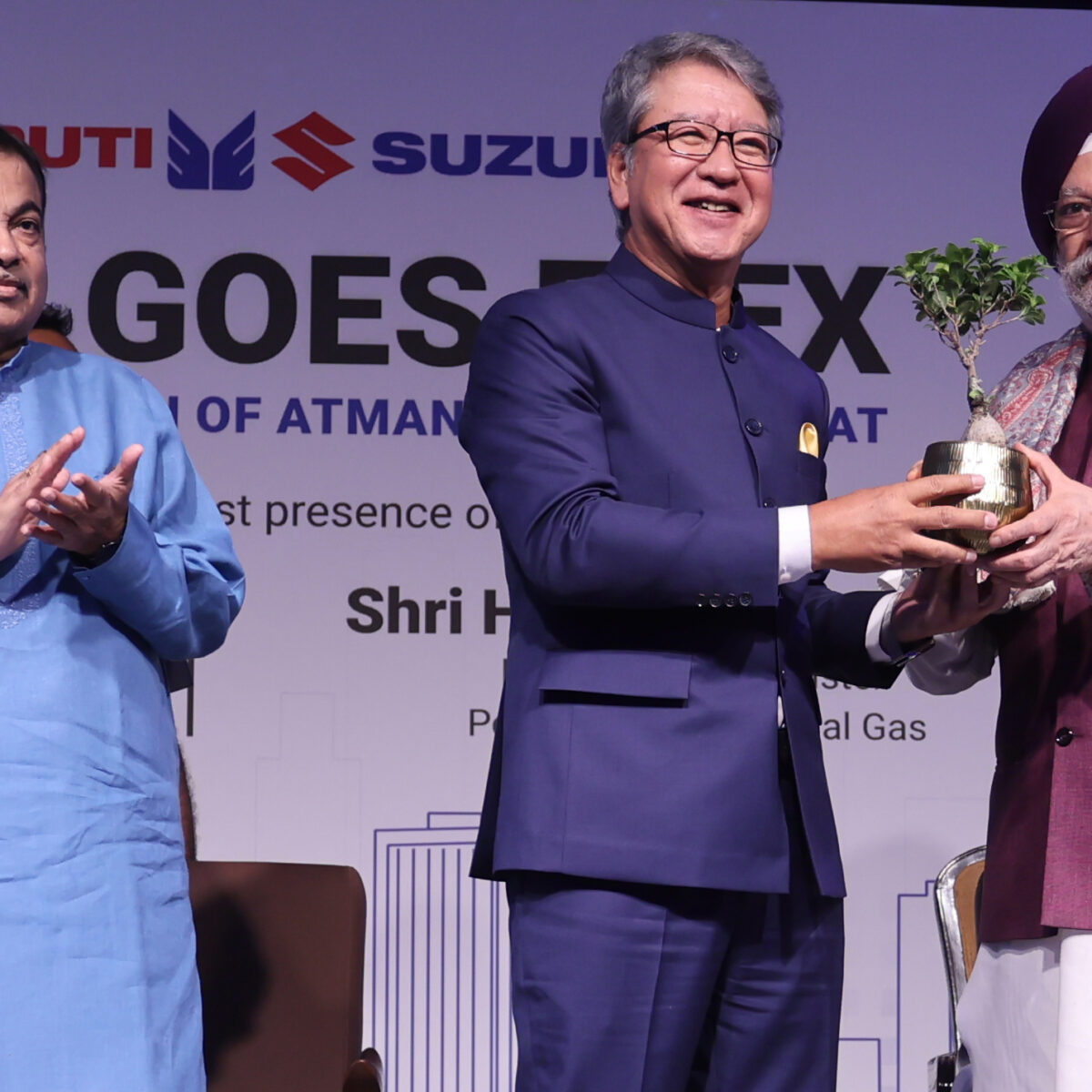
Speaking at the Sugar, Ethanol & Bio-Energy India Conference in Nagpur, Gadkari confirmed that he had signed the file authorizing the use of E100 fuel for vehicles.
The move is aimed at reducing India’s dependence on imported crude oil while increasing the use of domestically produced biofuels.
What the approval means:
- Legal framework for E100-compatible vehicles
- Expansion beyond the current E20 programme
- Greater focus on ethanol-powered mobility
- Increased opportunities for flex-fuel vehicle development
The approval also places ethanol alongside electric, CNG and hybrid powertrains as part of India’s broader alternative-fuel strategy.
More Flex-Fuel Vehicles on The Way
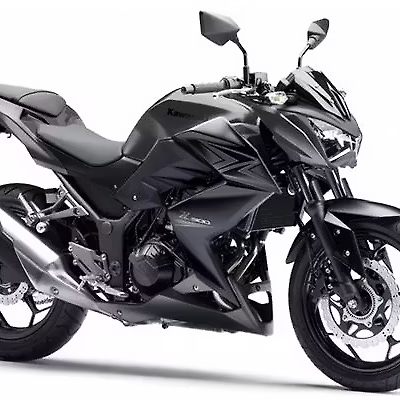
The announcement follows the recent unveiling of Maruti Suzuki’s Wagon R Bioflex and Hero MotoCorp’s ethanol-compatible motorcycles.
According to Gadkari, more manufacturers are preparing to enter the segment.
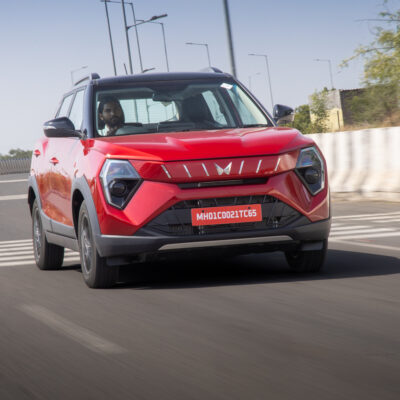
Automakers expected to launch E100-compatible vehicles:
- Toyota
- Suzuki
- Hyundai
- MG
The minister said these vehicles could arrive within the next month and a half.
What Is E100 Fuel?
The fuel typically contains around 93-95 percent ethanol, with the remainder made up of petrol and other additives that help with cold starts and fuel-system operation.
Vehicles running on E100 require significant modifications compared to conventional petrol-powered models.
Key changes include:
- Ethanol-compatible fuel lines
- Revised fuel pumps and injectors
- Dedicated engine calibration
- Specialized fuel-system components
- Ethanol sensors
As a result, existing E20-compatible vehicles cannot simply switch to E100.
Infrastructure Remains the Biggest Challenge
While the regulations are now in place, widespread adoption could still take time.
Oil marketing companies will need to develop dedicated E100 dispensing infrastructure, while fuel storage and distribution networks may require upgrades to handle ethanol’s different chemical properties.
Higher ethanol blends also contain less energy than petrol, which means vehicles typically consume more fuel to travel the same distance.
Also read: https://fly-wheel.com/maruti-suzuki-launches-wagon-r-bioflex-at-%e2%82%b97-24-lakh/
Final Take
The approval of E100 regulations marks a significant milestone in India’s alternative-fuel journey. While ethanol-powered vehicles are unlikely to replace petrol, hybrid or electric models anytime soon, the move gives automakers another pathway to reduce fossil fuel dependence and lower emissions.
The bigger challenge now lies beyond the vehicles themselves. Fuel availability, infrastructure development and consumer acceptance will ultimately determine how quickly E100 gains traction. With multiple manufacturers already preparing flex-fuel models, the next few months could provide a clearer picture of whether high-ethanol mobility can move beyond pilot projects and become a viable mainstream option in India.