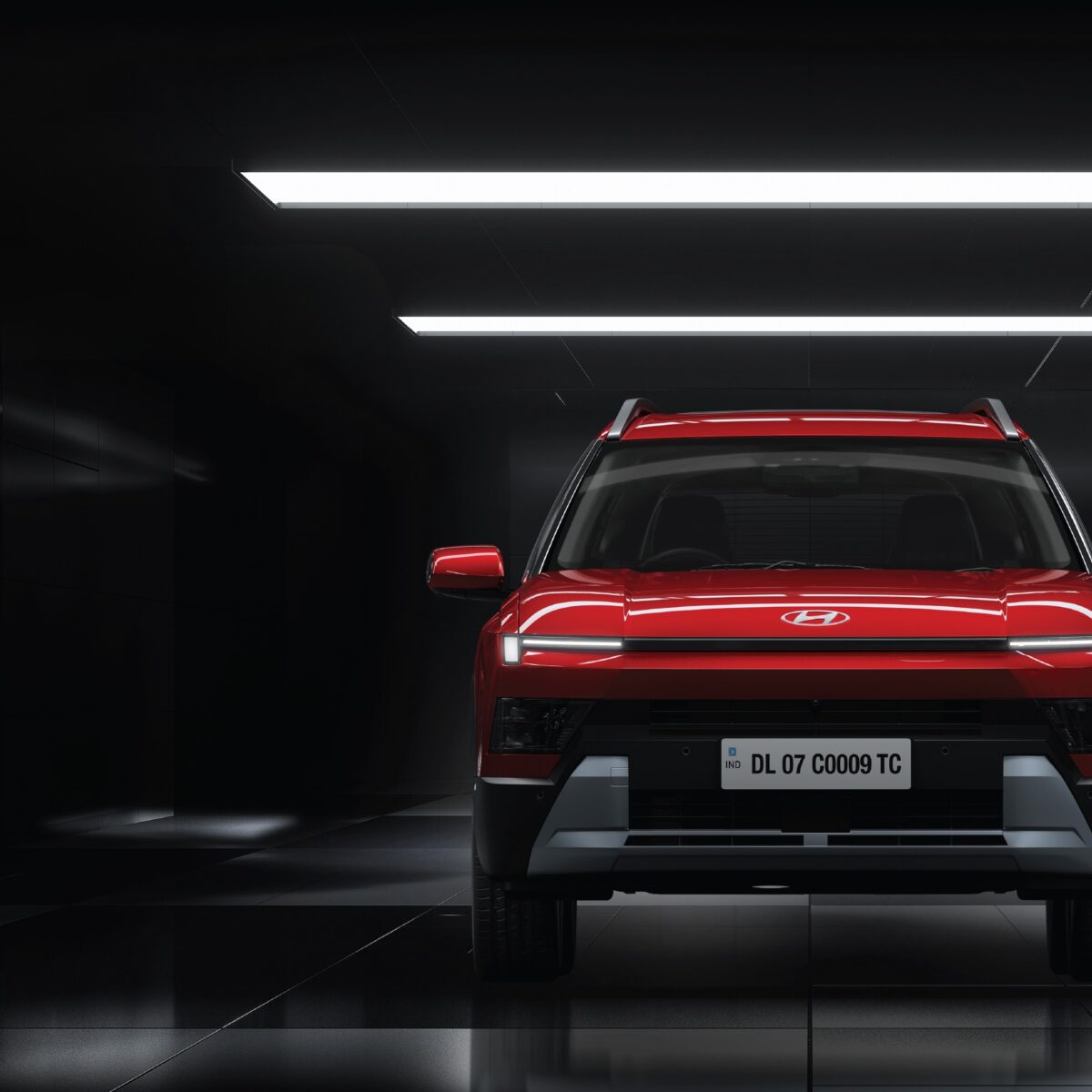
Hyundai has positioned the Bayon between the Venue and Creta, calling it an Intelligent Utility Vehicle (IUV). Priced at an introductory ₹9.99 lakh, it takes on the Maruti Suzuki Victoris with a fresh design, a feature-packed cabin and a familiar petrol engine.
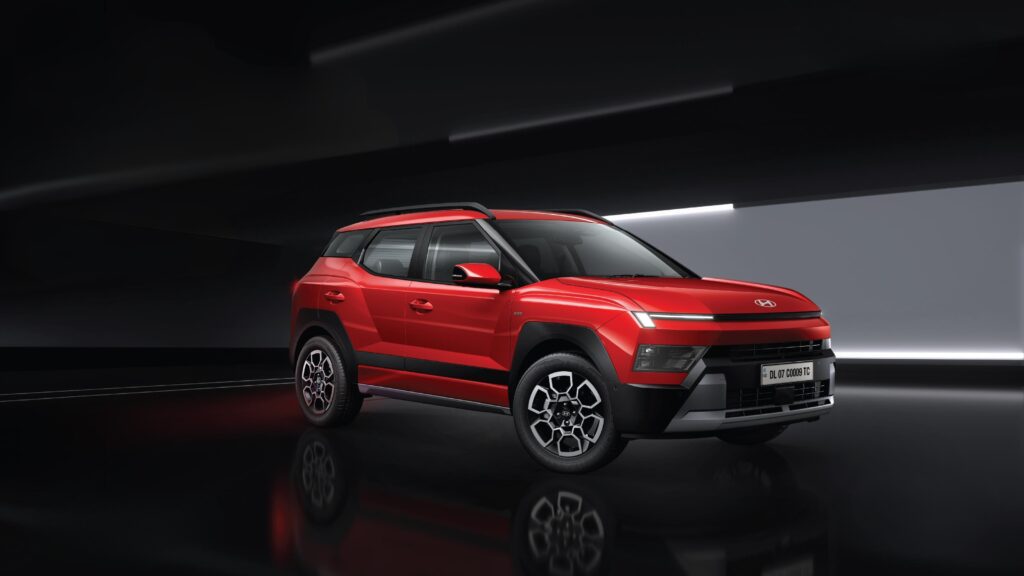
A Design That Stands Out
The Bayon gets an edgy design that draws inspiration from Hyundai’s newer international models. The front features an H-shaped LED lighting signature, while sharp body lines and distinctive wheel arches give it a sporty appearance. The rear design might divide opinions, but the connected lighting elements give it a distinctive identity.
Key exterior highlights include:
- H-shaped LED lighting signature
- Distinctive alloy wheel design
- Sharp body lines and sculpted wheel arches
- Full-width rear lighting elements
- 360-degree camera system
Inside the Cabin
The interior is arguably one of the Bayon’s strongest points. The dual-tone dashboard, leather-wrapped steering wheel and neatly finished surfaces give it a premium feel. Hyundai has also retained physical controls for essential functions, making the cabin easier to use.
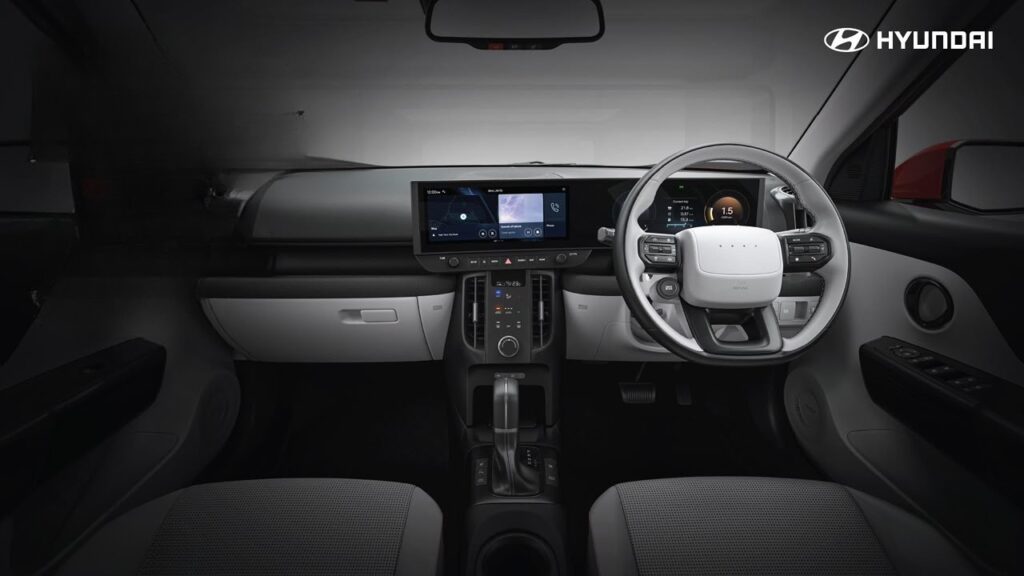
Notable features include:
- Dual 12-inch display setup
- Wireless Android Auto and Apple CarPlay
- Panoramic sunroof
- Ventilated front seats
- Wireless charging pad
- Level 2 ADAS with three radar sensors and a camera
Rear passengers get good space, a reclining backrest, AC vents and Type-C charging. The 505-litre boot is another practical advantage, offering enough room for family luggage.
Engine and Driving Experience
Power comes from Hyundai’s familiar 1.5-litre naturally aspirated petrol engine, producing 113hp and 144 Nm. It is available with a six-speed manual or an IVT automatic.
The engine is smooth enough for everyday use, but performance is not its strongest suit. The IVT also has some initial response lag. Steering response is accurate, although the suspension allows some road imperfections into the cabin.
Watch it: https://youtu.be/ZRmztj_sTPY?si=CMNeIZLbyaiFGm5c
Verdict
The Bayon brings a fresh design and a well-equipped cabin to a competitive segment. While its engine and ride quality leave some room for improvement, its space, features and positioning make it an interesting alternative to the Victoris. Its success will ultimately depend on how buyers respond to Hyundai’s new IUV approach.