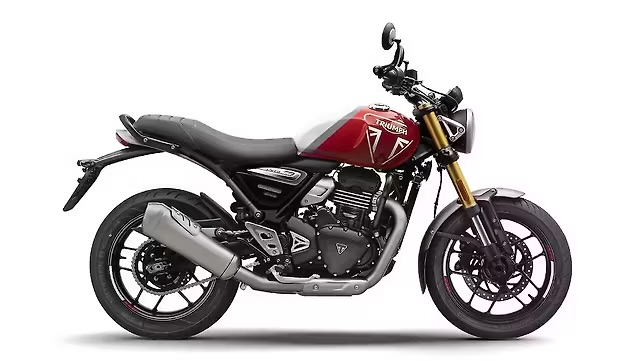
When India’s GST 2.0 reshaped motorcycle taxes last year, most brands scrambled to adapt. Triumph did something bolder, they launched six new bikes almost overnight. The Speed 400 is the most talked-about of the lot. But here’s the twist: despite wearing a “400” badge, the engine underneath displaces just 350cc. So what exactly are you paying for?
The Name Game
Triumph isn’t hiding anything, exactly, but they’re not shouting it from the rooftops either. The new GST structure taxes bikes above 400cc more heavily, so Triumph (in partnership with Bajaj) engineered a detuned, India-exclusive 350cc variant to keep prices competitive. Globally, the Speed 400 still runs a 398cc unit. Here, the “400” lives only in the name.
The six new models under this rebrand include:
– Speed 400
– Speed T4
– Trident 400
– Scrambler 400
– Scrambler 400 X
– Tracker 400
All share the same 350cc short-stroke engine. All previously had “400” in their specs. Now they don’t, but the branding stays.
Design: Familiar, and That’s Fine
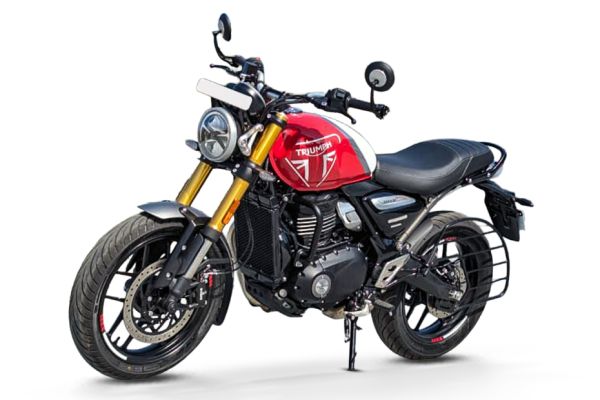
At first glance, the Speed 400 looks exactly like its predecessor. That’s because it largely is. Triumph removed the “400” nomenclature from the body and replaced it with a simpler “TR series” badge. Everything else stays put.
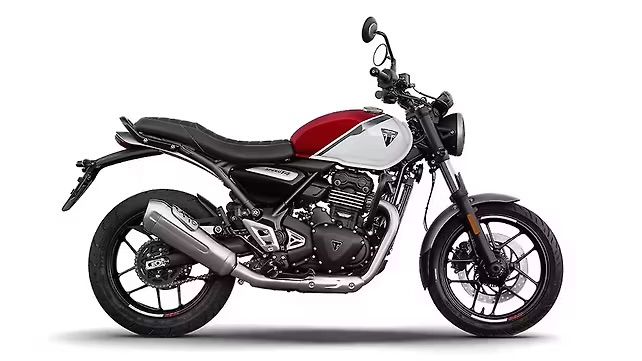
And honestly? It still looks the part. Key design highlights include:
– LED headlamp with a clean, classic face
– Golden USD (upside-down) forks up front
– MRF Centauro tyres on 17-inch wheels, wider at the rear
– Fully brushed exhaust with a premium finish
– Aluminium handlebar and cast metal detailing throughout
The tank stickers look tacky but the quality is convincing. Seat height sits at 803mm, making it accessible for average Indian riders. At 179 kg, it’s not a featherweight, but it’s far from intimidating. The rear section carries a small Triumph logo embedded within the tail light, the kind of detail that rewards closer inspection.
Features: Simple, Functional, No Frills
Don’t come to the Speed 400 expecting a TFT screen or Bluetooth connectivity. What you get is a traditional analogue-plus-digital instrument cluster, black and white, no navigation, no smartphone integration. Controls are straightforward:
– Five-step adjustable levers (a genuine highlight)
– Standard switchgear without the confusing rotary dials found on some Royal Enfield models
– USB charging port
– Basic traction control toggled through a single button
It’s a minimalist setup, and it works. The adjustable levers are particularly welcome, a small feature that makes a real difference in daily riding comfort.
On the Road: Where It Gets Interesting
The engine change is the headline, and it deserves honest scrutiny. Moving from 398cc to 350cc brought these numbers:
– Power: Down from 39 hp to 36 hp
– Torque: Down from 37.5Nm to 32Nm
On paper, that’s a noticeable drop. On the road, it’s a different story. Triumph retuned the fueling to compensate, and because this was already a short-stroke engine, the revised unit actually feels at home in the new displacement. It revs freely, pulls cleanly through the gears, and doesn’t demand constant gear changes in city traffic.
The six-speed gearbox slots in well, not the most tactile feedback you’ll find, but smooth and reliable. Third gear is usable even at low speeds without the engine protesting. The slipper clutch is present and functional; it’s not Honda-light, but it matches modern segment standards.
Suspension is on the stiffer side, which trades plush comfort for sharper handling. Riders who prioritise cushioning over cornering confidence might prefer the Scrambler 400’s slightly softer setup. Braking comes via sintered brake pads on the Speed 400, an upgrade over the organic pads on the T4, and stopping power is confident.
Some minor concerns worth noting:
– The starter motor felt sluggish during testing, occasionally requiring multiple cranks
– Bar-end mirrors look stylish but offer limited rear visibility,aftermarket replacements are easy to fit
– Earlier stalling issues in 2nd and 3rd gear have reportedly been fixed, though long-term reliability of the new engine remains to be seen
– Some first-batch owners reported moisture ingress in the indicators
Price and the Competition
Here’s where Bajaj’s involvement becomes most apparent, and most valuable. This bike exists because of that partnership, and the pricing reflects it.
The Speed 400 has dropped from ₹2,39,000 to ₹2,31,000(ex-showroom), an ₹8,000 reduction. Across the range, reductions go as high as ₹20,000 on models like the Scrambler and Thruxton variants.
Service intervals are claimed at 16,000 km or one year, with a single service costing between ₹4,000 and ₹5,000, broadly in line with competitors who service twice a year at lower per-visit costs.
Who is this bike for? It’s a clear fit if:
– You want a modern retro aesthetic without aggressive, committed ergonomics
– You don’t need top-end highway performance or long-stroke thumper character
– Build quality and brand finish matter more to you than spec-sheet figures
It’s probably not the right call if you’re drawn to the Duke 390’s sharper edge, or if the lazy low-end torque of a Classic 350 is what you’re after. The Speed 400 occupies a deliberate middle ground, refined, approachable, and built to a standard that few rivals at this price can match on fit and finish.
Final Word
The Speed 400 is, at its core, a well-executed product caught in an awkward naming situation. The engine displacement reduction was a regulatory move, not an engineering compromise, and Triumph has handled the transition competently. What you’re buying is the same premium build, the same riding character, and a slightly lower price tag. For the right rider, that’s still a compelling offer.