

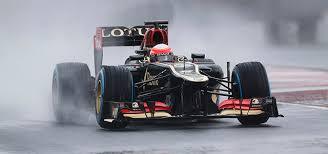
Formula 1 may be heading back to one of the most loved eras in the sport. The FIA has confirmed that a return to V8 engines is now firmly being discussed, with the switch potentially happening by 2030 or 2031.
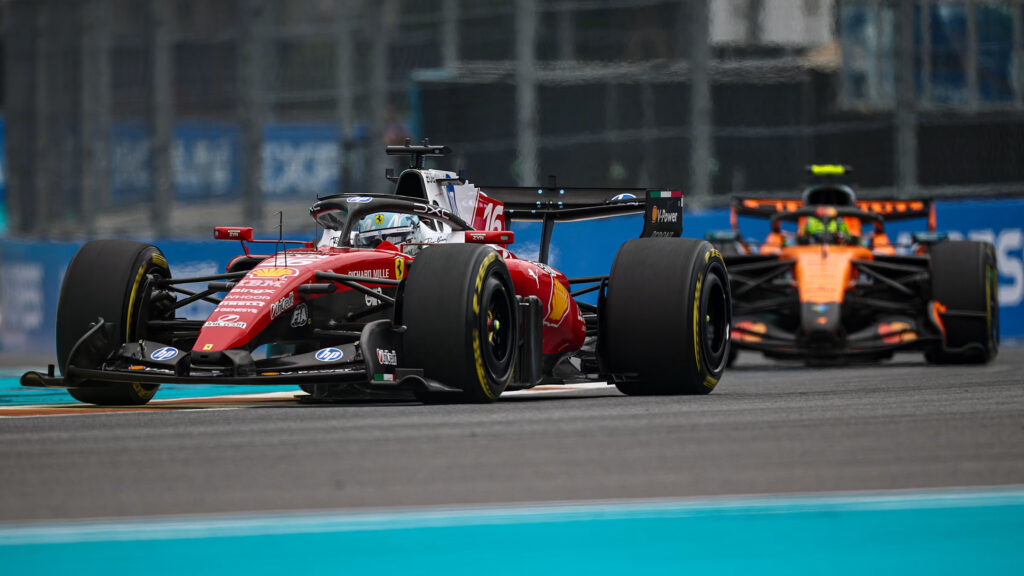
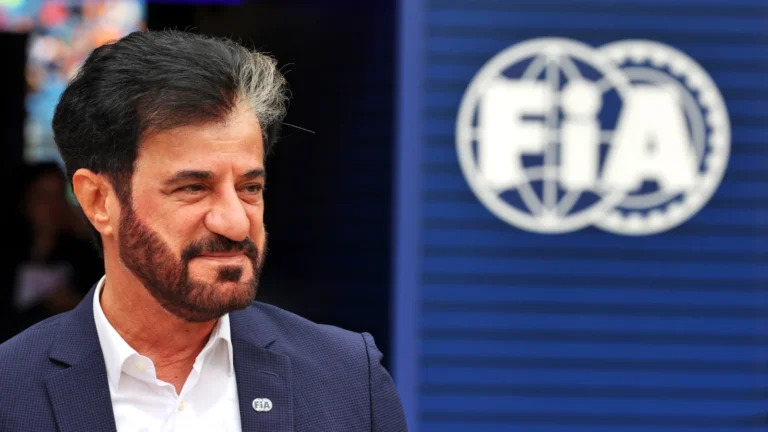
The announcement came during the Miami Grand Prix weekend, where FIA President Mohammed Ben Sulayem made it clear that the move is no longer just an idea.
“It’s coming. At the end of the day, it’s a matter of time,” he said in Miami.
Why F1 Wants Bigger Engines Again
Formula 1 cars today are incredibly advanced, but they have also become very complicated.
Modern cars rely heavily on battery systems and electrical power, and many drivers and fans feel the sport has become too focused on managing energy instead of just racing hard.
The current cars are also:
- Heavier
- Quieter
- More complex to build and manage
That is one of the main reasons the FIA now wants simpler V8 engines back.
FIA President Mohammed Ben Sulayem said the sport wants:
- Better sound
- Lighter cars
- Less complexity
- Lower costs
And importantly, the new engines would still use a small amount of electric support, just not as much as today.
Even Big Teams Support It
This is not just the FIA talking anymore; some of the biggest names in Formula 1 are already supporting the idea.
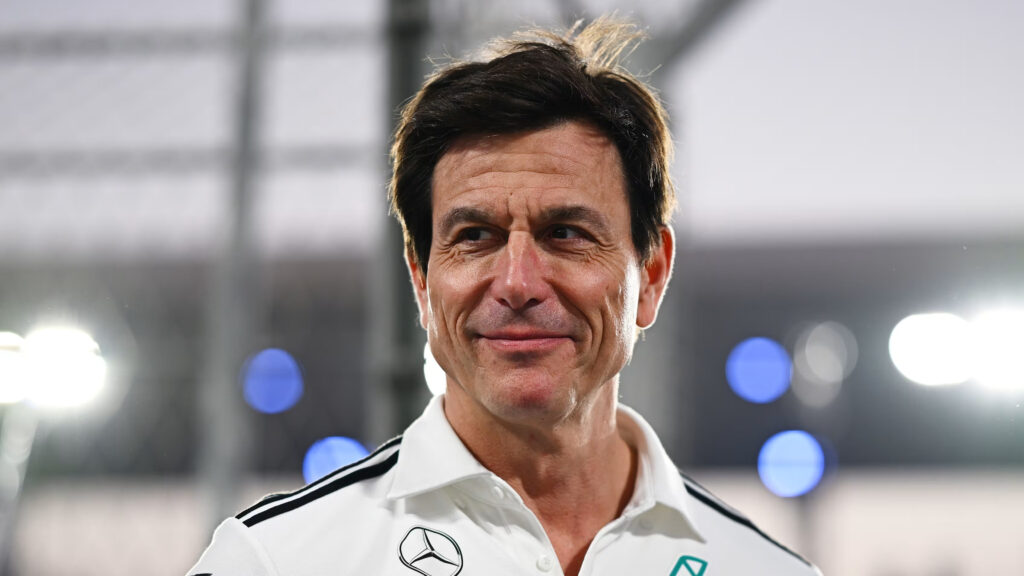
Toto Wolff from Mercedes said the company would happily support a V8 return, as long as there is still some electric power involved.
Ferrari and Red Bull also seem open to the idea, especially because the current engines are becoming extremely expensive and difficult to develop.
Why Fans are Excited
For many Formula 1 fans, this is not just about performance numbers.
V8-era Formula 1 cars are remembered for:
- Loud, screaming engine notes
- Rawer driving feel
- Simpler racing strategies
Modern hybrid cars are incredibly fast and technologically advanced, but many fans feel the sport lost some of its character along the way.
A V8 comeback could bring back some of that drama and emotion.
Also read: https://fly-wheel.com/alex-zanardi-passes-away-at-59-motorsport-mourns-a-true-fighter/
Can the FIA Actually Make It Happen?
The FIA’s preferred target is 2030, but introducing new engines earlier would require support from manufacturers.
Under current rules:
- Four of the six power unit manufacturers would need to agree on a 2030 switch
- If that does not happen, the FIA could still enforce the change for 2031
Ben Sulayem sounded very confident that the return will happen regardless.
Final Take
Formula 1 now seems to be trying to find a better balance between modern technology and the excitement fans miss from older cars. A return to V8 engines could make the sport louder, simpler, and more emotional again, while still keeping some hybrid technology. And judging by the reaction so far, many fans would welcome that change with open arms.


