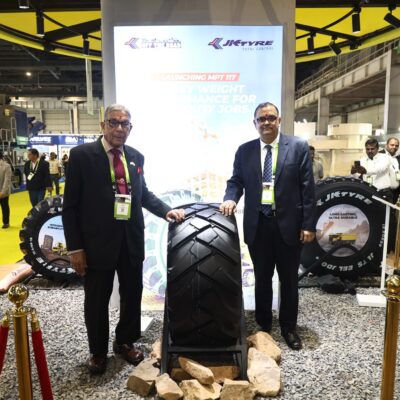
India has entered a new phase of its biofuel programme with the launch of its first retail fuel station dispensing E85 fuel. State-run Indian Oil Corporation inaugurated the country’s first E85 pump in Delhi on June 5, 2026.
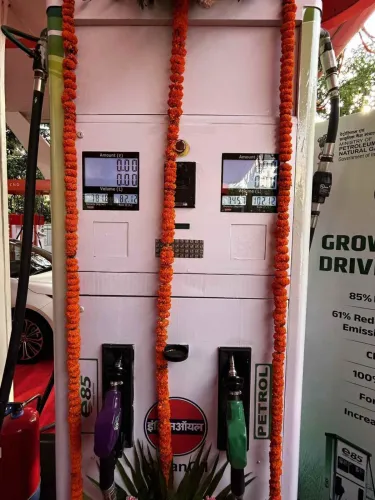
E85, a petrol blend containing 80-85% ethanol and 14-19% petrol, has been priced at ₹82.12 per litre in Delhi, around ₹20 cheaper than regular E20 petrol, which currently retails at ₹102.12 per litre in the capital.
Speaking at the launch, Hardeep Singh Puri said the pricing had been deliberately structured to offset ethanol’s lower energy content and provide a clear financial benefit to consumers.
What Is E85?
E85 is a high-ethanol fuel designed specifically for flex-fuel vehicles (FFVs). These vehicles can operate on a wide range of ethanol-petrol blends, from E20 to E100, giving owners the flexibility to choose whichever blend is available.
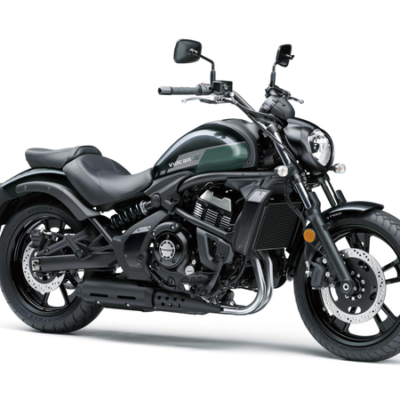
The launch follows the recent unveiling of flex-fuel models by Hero MotoCorp and Maruti Suzuki, both of which can run on ethanol blends ranging from 20% to 85%.
Expansion Plans
The government plans to rapidly expand E85 availability:
- 50-100 E85 stations to be established in Delhi-NCR, Mumbai, Pune and Ahmedabad within weeks.
- Around 500 E85 pumps targeted by the end of 2026.
- Expansion to 5,000 outlets planned by the end of 2027.
Why India Is Pushing Higher Ethanol Blends
The move comes after India achieved its target of 20% ethanol blending in petrol ahead of schedule. By promoting E85 and other higher blends, the government aims to:
- Reduce dependence on imported crude oil
- Support farmers through increased demand for sugarcane and grain-based ethanol
- Improve energy security
- Diversify transportation fuels
Ethanol used in India’s programme is primarily produced from sugarcane and grain feedstocks.
Also read: https://fly-wheel.com/bentley-opens-new-showroom-in-delhi/
Challenges Ahead
While E85 offers lower fuel costs, it cannot be used in conventional petrol vehicles. Drivers will need dedicated flex-fuel vehicles to take advantage of the new fuel. Automakers have also stressed that widespread fuel availability will be crucial before flex-fuel vehicles gain mainstream acceptance.
The rollout follows proposed amendments by the Ministry of Road Transport and Highways to formally incorporate E85 and E100 fuels into India’s vehicle regulations, signalling the government’s intention to move beyond the current E20 programme.